Unlocking Natural Skin Regenerator of Tamanu Polyphenol
Author: Adrian S. Siregar, Ph.D. | Editor-in-Chief: Sandy Akbar Nusantara, S.T., M.B.A. | Published: July 23, 2026
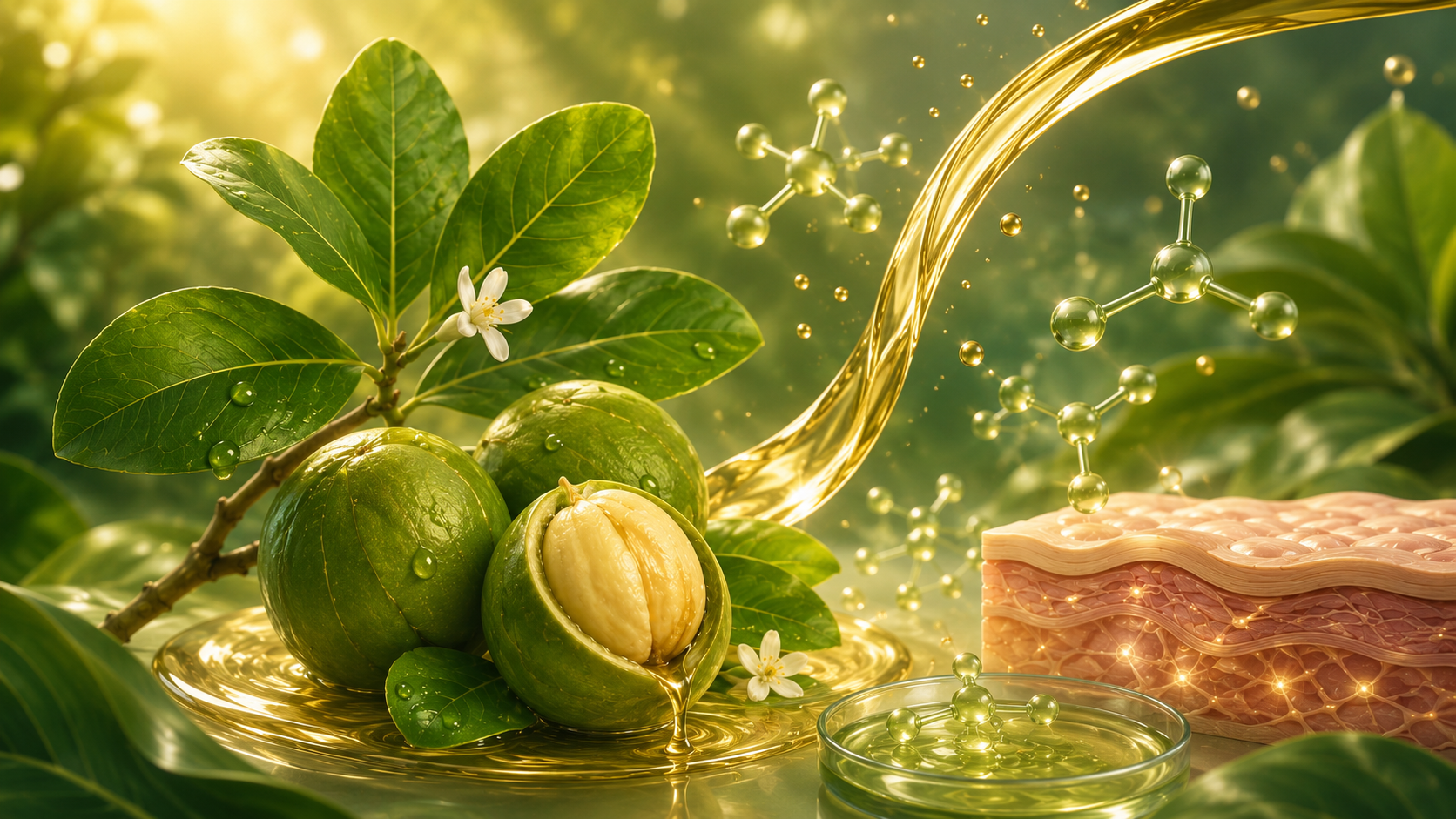
For centuries, the people of Southeast Asia and the Pacific Islands have turned to tamanu oil as a traditional remedy for wounds, scars, and skin ailments. Yet, despite its long history of use, the scientific understanding of why tamanu works so effectively has remained surprisingly limited until recently. Today, emerging research is revealing that tamanu's true power lies not in its fatty oil content alone, but in a class of compounds that have been largely overlooked: polyphenols. This article explores why tamanu is potentially and promisingly bioactive, positioning tamanu polyphenol as one of the most compelling materials in natural skincare.
Beyond the Oil: What Makes Tamanu Bioactive?
Tamanu is derived from the nut of the Calophyllum inophyllum tree, a tropical evergreen native to Indonesia and other regions of Southeast Asia. For decades, commercial attention has focused on the cold-pressed virgin oil, rich in fatty acids like oleic, linoleic, and palmitic acids which provides emollient and barrier-repair properties. However, the oil alone does not fully explain tamanu's remarkable wound-healing and skin-regenerating reputation.
The missing piece is the polyphenol fraction. Polyphenols are a large family of naturally occurring compounds characterized by multiple phenol structural units. They are well-documented for their potent antioxidant, anti-inflammatory, and antimicrobial activities across numerous plant species. In tamanu, these bioactive molecules exist as a complex matrix that works synergistically with the oil's lipid components, creating a "whole-plant" effect that isolated compounds cannot replicate.
The Science of Promise: Documented Bioactivities
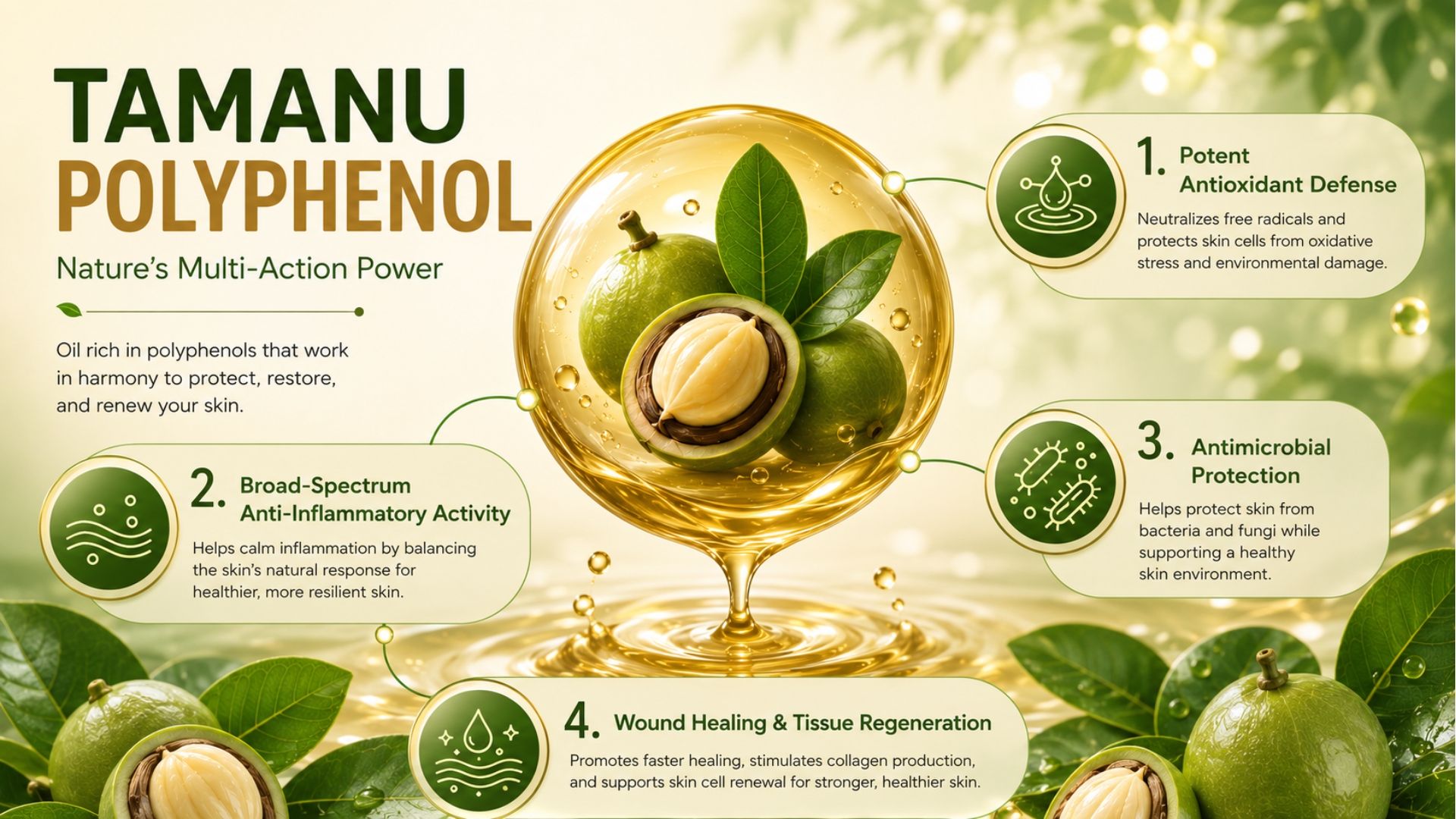
What makes tamanu polyphenol particularly promising is the breadth of its documented biological activities. While research is still evolving, several key mechanisms have been identified:
1. Potent Antioxidant Defense
Oxidative stress caused by an imbalance between free radicals and the body's antioxidant defences is a primary driver of skin aging, inflammation, and tissue damage. Polyphenols are nature's most effective radical scavengers. Studies on *Calophyllum inophyllum* extracts have demonstrated significant free-radical-neutralizing capacity, attributed directly to their polyphenolic constituents. This antioxidant action helps protect skin cells from UV-induced damage and environmental pollutants, preserving collagen and elastin integrity.
2. Broad-Spectrum Anti-Inflammatory Activity
Inflammation is a double-edged sword. Acute inflammation is essential for wound healing, but chronic inflammation leads to tissue breakdown, hyperpigmentation, and accelerated aging. Tamanu polyphenols have shown the ability to modulate inflammatory pathways including the inhibition of pro-inflammatory enzymes and cytokines without suppressing the beneficial aspects of the healing response. This balanced modulation makes tamanu polyphenol uniquely suited for both sensitive and compromised skin conditions.
3. Antimicrobial Protection
The polyphenol-rich fraction of tamanu exhibits activity against a range of skin pathogens, including bacteria and fungi. This is particularly relevant for acne-prone skin and minor wounds, where microbial overgrowth can delay healing and worsen scarring. By providing a natural antimicrobial barrier, tamanu polyphenol supports the skin's microbiome while reducing the risk of infection.
4. Wound Healing and Tissue Regeneration
Perhaps the most clinically relevant property is tamanu's ability to accelerate wound closure and promote tissue remodeling. Research has linked this effect to the polyphenols' capacity to stimulate fibroblast proliferation, enhance collagen synthesis, and modulate the expression of growth factors involved in the healing cascade. This goes beyond simple moisturization it represents active biological intervention at the cellular level.
The Standardization Advantage: Why Consistency Matters
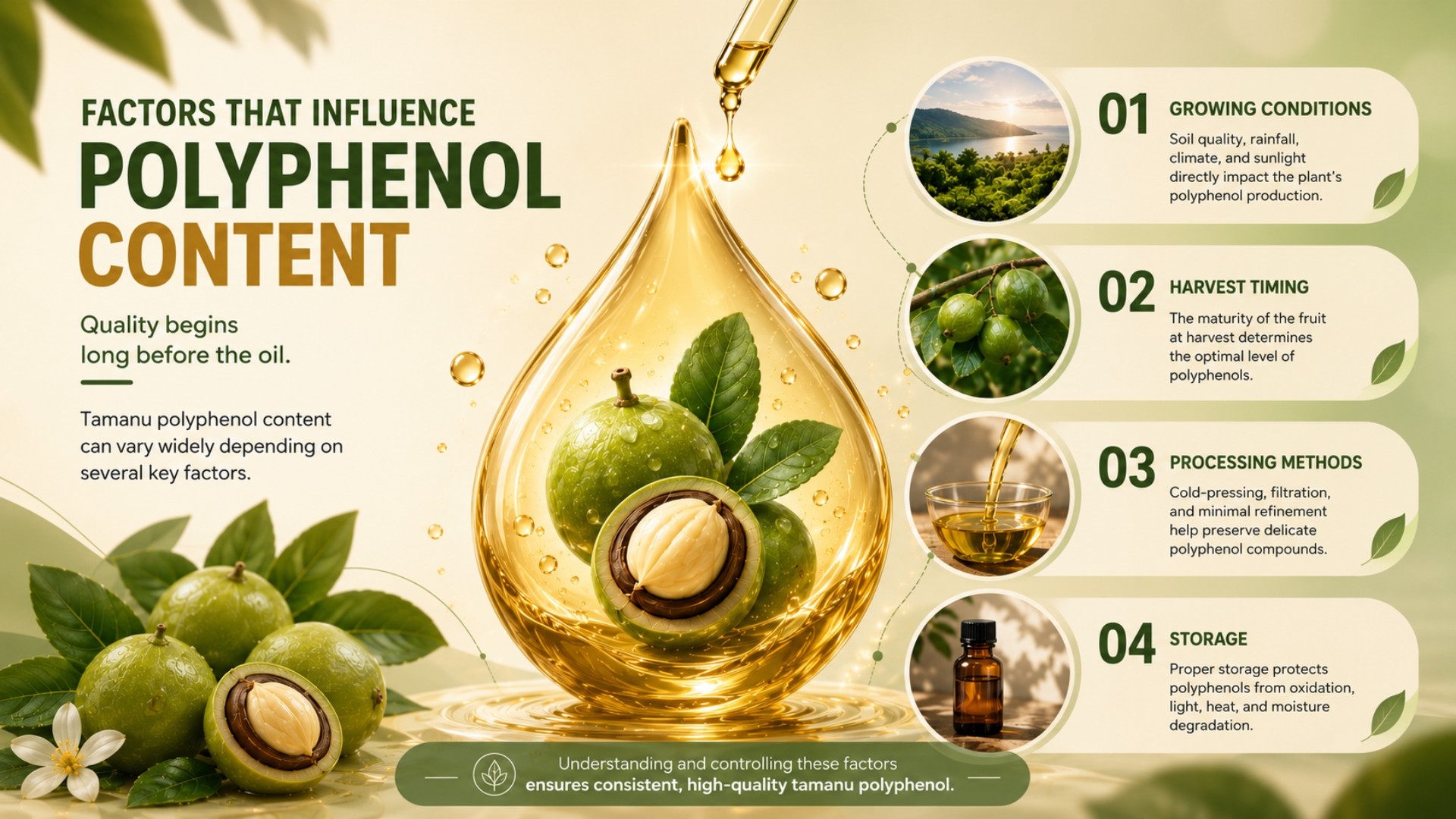
One of the primary reasons tamanu has remained underutilized in mainstream skincare is the lack of standardization. Traditional virgin oils vary significantly in their polyphenol content depending on factors such as growing conditions, harvest timing, processing methods, and storage. Without standardization, the bioactive potential of tamanu becomes unreliable. One batch may be highly active, while another provides minimal benefit.
This is where standardized tamanu polyphenol represents a true breakthrough. By isolating and standardizing the polyphenol fraction, it becomes possible to deliver a consistent, predictable, and clinically relevant concentration of bioactive compounds with every application. This transforms tamanu from a traditional remedy with variable efficacy into a reliable, science-backed ingredient for modern skincare formulations.
Why Tamanu Polyphenol Remains Overlooked
Despite its promising profile, tamanu polyphenol is still far from a household name. Several factors contribute to this:
Confusion with Virgin Oil
Most consumers and even formulators equate "tamanu" with the heavy, green-colored virgin oil. The polyphenol fraction—often more potent and versatile—remains unknown to many.
Lack of Awareness in Western Markets
While tamanu has deep roots in traditional Asian and Pacific medicine, it has only recently begun to attract Western scientific attention. The translation from traditional knowledge to modern evidence-based application is still underway.
Underestimation of Polyphenols in Oils
There is a widespread misconception that polyphenols are only relevant in water-soluble extracts like green tea or grape seed. The presence and significance of polyphenols in lipid matrices like tamanu oil are frequently underestimated.
A New Perspective: From Traditional Remedy to Bioactive Powerhouse
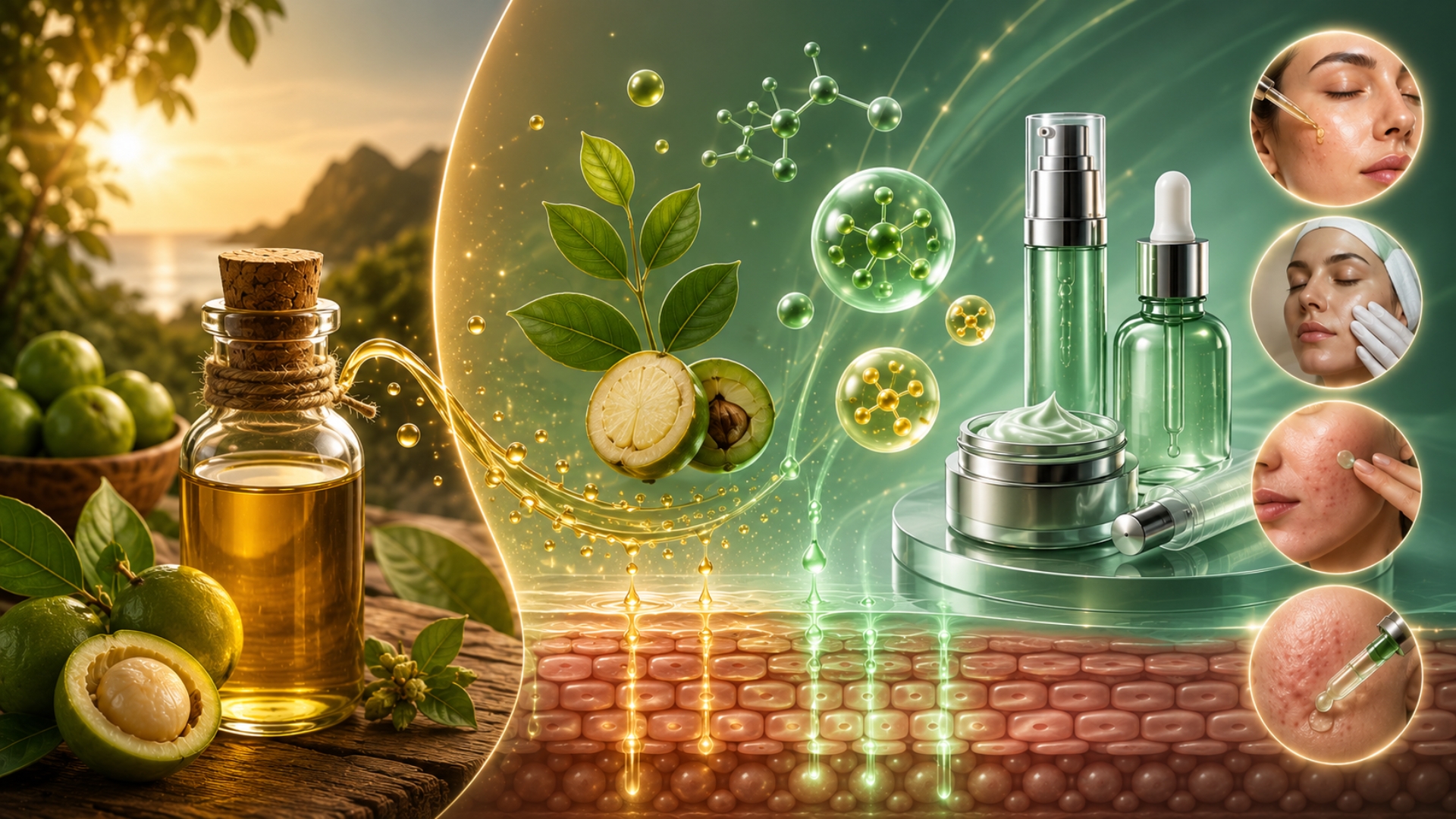
What makes tamanu polyphenol truly compelling is not just its individual activities, but the synergistic interplay between its polyphenolic and lipid components. The polyphenols provide targeted bioactive effects antioxidant protection, inflammation modulation, and antimicrobial defense while the fatty acids deliver nourishment, barrier support, and enhanced skin penetration. Together, they create a system that is greater than the sum of its parts.
This synergy is precisely why standardized tamanu polyphenol outperforms virgin oil alone in controlled applications. The virgin oil offers emollience but lacks the concentrated bioactive punch of the polyphenol fraction. Conversely, isolated polyphenols without the lipid carrier may have limited skin penetration and stability. The standardized approach preserves the natural synergy while ensuring potency and consistency.
The Road Ahead: A Call for Greater Awareness
As the global skincare industry increasingly shifts toward evidence-based natural ingredients, tamanu polyphenol stands at the threshold of wider recognition. Its combination of traditional validation and emerging scientific support makes it a uniquely promising candidate for applications ranging from anti-aging serums to post-procedure recovery formulations to acne and scar treatments.
However, realizing this potential requires greater awareness among formulators, dermatologists, and consumers alike. The story of tamanu is not just about an exotic oil from a tropical tree. It is about the sophisticated chemistry of a plant that has evolved over millennia to protect its seeds from environmental stress, pathogens, and oxidative damage. That same protective chemistry, when properly extracted and standardized, can now protect and regenerate human skin.
Conclusion
Tamanu polyphenol is not merely a trend or a novelty. It is a scientifically substantiated bioactive material with a compelling profile of antioxidant, anti-inflammatory, antimicrobial, and regenerative activities. Its potential lies not in any single compound, but in the complex, synergistic matrix of polyphenols that work in concert with the oil's lipid fraction. As standardization technologies continue to advance, tamanu polyphenol is poised to transition from an overlooked traditional remedy to a cornerstone of modern natural skincare.
For those willing to look beyond the familiar green oil, tamanu polyphenol offers a glimpse into the future of plant-based dermatology, one where tradition and science converge to unlock nature's most promising skin regenerators.
References:
1. MarkHerb. "Tamanu Polyphenol: Indonesia's Standardized Breakthrough in Natural Skincare Innovation." MarkHerb.com.
2. MarkHerb. "The Synergy Effect: Why Tamanu Polyphenol Outperforms Virgin Oil." MarkHerb.com.
3. Dweck, A.C. "Tamanu Oil (Calophyllum inophyllum) – A Review." Personal Care Magazine, 2005.
4. Kumar, A. et al. "Phytochemical and Pharmacological Profile of Calophyllum inophyllum." Journal of Pharmacy Research , 2011.
5. Sahu, N.P. et al. "Polyphenolic Compounds from Calophyllum inophyllum with Antioxidant and Anti-inflammatory Activities." Natural Product Research, various years.
6. Chanda, S. and Nagani, K. "Antimicrobial and Wound Healing Properties of Calophyllum inophyllum." International Journal of Pharmaceutical Sciences, 2015.
Editorial Team:
- Afifah Rahma Adila, S.Si.
Illustrator:
- Rafi Rif'atul Rizki, S.I.Kom.