KRATOM
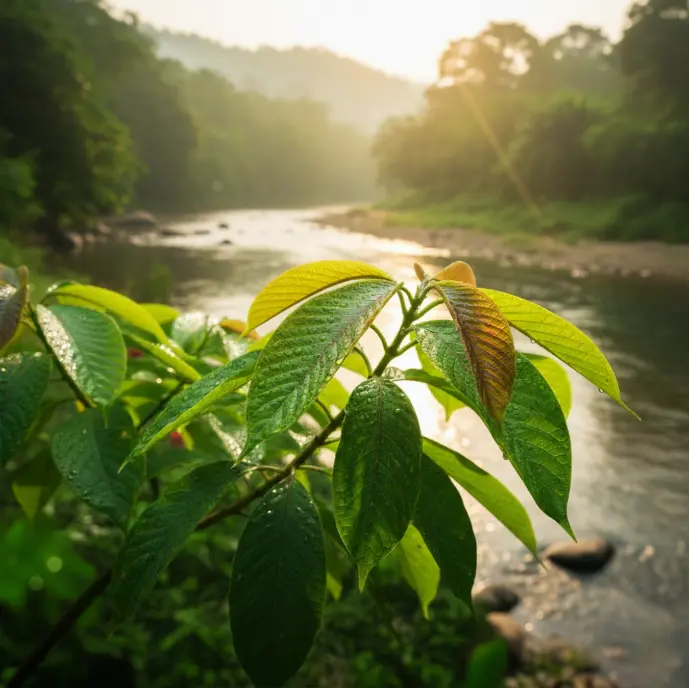
Kratom (Mitragyna speciosa) is a tree in the coffee family, found in Indonesia and neighboring countries. In Indonesia, Kratom is known by the nickname "Heavenly Leaf from Kalimantan" because of its benefits as a traditional medicine.
In Southeast Asia, people traditionally have chewed its leaves or made them into a tea that is used to fight fatigue and improve work productivity.
Kratom has also traditionally been used during religious ceremonies and to treat symptoms such as pain and diarrhea, sometimes as a substitute for opium.
The use of Kratom leaves in the formulation of herbal supplements is becoming increasingly popular. Experts consider kratom an opioid-like substance because it affects your brain's opioid receptors.
In low doses, it's a stimulant. But in high doses, it can relieve pain like opioids do. Just like opioids, kratom can be addictive. People who use kratom have reported both stimulant-like effects (increased energy, alertness, rapid heart rate) and effects like those of opioids and sedatives (relaxation, pain relief, confusion). Some people in Western countries use Kratom to try to treat pain or manage opioid withdrawal symptoms ¹-⁸ .
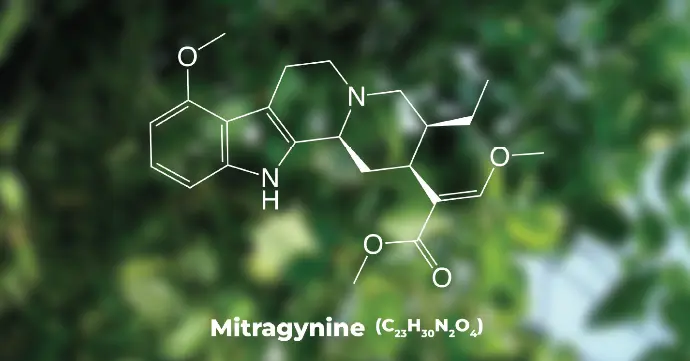
Mitragynine
Kratom leaves contain more than 40 types of alkaloid compounds beneficial to the body, including Mitragynine, 7-hydroxymitragynine, Speciociliatine, Corynantheidine, Speciogynine, Paynantheine, and Mitraphylline. The most well-studied compounds related to kratom are mitragynine and 7-hydroxymitragynine. The two compounds are known to interact with opioid receptors in the brain. Both activate mu-opioid receptors (specific molecular structures on the surface of nerve cells), but the resulting effects only partially compare to those of opioids like heroin or oxycodone¹⁰. Compared to Methadone, Mitragynine provides longer-lasting effects and has lower toxicity due to its more stable binding to the mu-opioid receptors¹¹.
Some research suggests that Mitragynine and 7-hydroxymitragynine may not cause some of the more serious adverse effects associated with opioid use such as respiratory depression (trouble breathing) that can occur during life-threatening opioid overdose¹². Scientists also have observed that Mitragynine may bind to adrenergic receptors, serotonin receptors and dopamine receptors, which may be responsible for some of the arousing effects some people who use kratom report experiencing⁹˒¹³˒¹⁴.
Suspected Health Benefits of Kratom
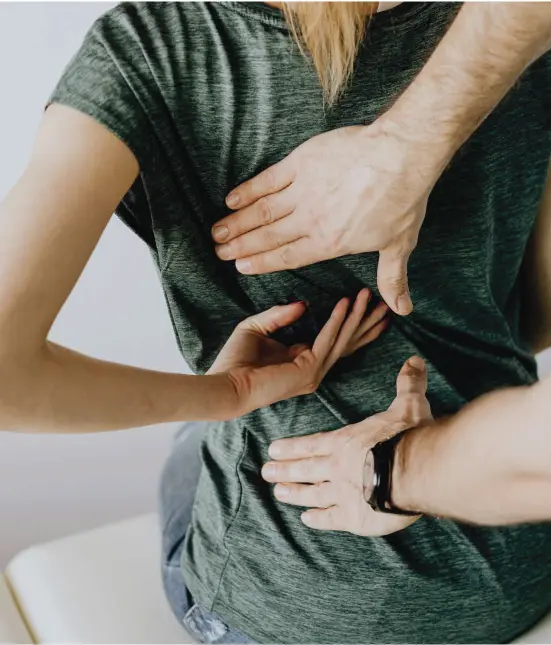
Kratom for pain
Kratom may be effective for easing chronic pain, as it works by attaching to opioid receptors. One compound found in kratom, 7-hydroxy mitragynine, is 13 times more potent than morphine. Although kratom targets opioid receptors just like morphine and codeine do, it is considered an atypical opioid. Kratom selectively inactivates specific signals, which may explain the more tolerable side effects compared to typical opioids.
Kratom for pain boosting mood
Kratom may have mood-enhancing effects. Some reports suggest that kratom may be an effective treatment for opioid addiction. Some people use it to help ease the withdrawal symptoms of morphine and ethanol. Early studies suggest that kratom may have potential as an antidepressant and a hunger suppressant. In one animal study, researchers determined that kratom lowers corticosterone levels in mice. Increased corticosterone levels are just one of the changes in brain chemicals that can be seen in depression. Furthermore, in another study with rats, kratom supplementation suppressed hunger by inhibiting the hypothalamus, the part of the brain responsible for appetite and cravings. More research on humans is needed to see if kratom has similar effects.

Kratom for opiate withdrawal
Some people have reported that kratom can help with self-treatment of opioid withdrawal symptoms. It has also been promoted as a remedy or cure for opioid addiction. But there’s no approved use of kratom for these purposes. Experts need to look deeper into this to understand if it can actually help with withdrawal.
KRATOM FOR POTENTIAL MEDICINAL USES
While kratom has not been proven safe or effective for any medical purpose, kratom has been used in traditional medicine in some countries⁹˒¹⁵, and many people who use kratom report doing so to self-medicate for pain, anxiety, depression, substance use disorders and substance withdrawal¹˒³˒⁹. Studies in animal models suggest kratom and related compounds potentially have other therapeutic properties, such as antidepressant and pain-relieving properties, that may warrant further study⁹˒¹⁷. Studying on kratom and kratom compound warrant further study as experimental treatments for substance use disorders, specifically opioid use disorder¹⁷˒¹⁸. Such treatments are urgently needed to help curb the drug overdose epidemic in the world.
Our Products
We deem our company to be a producer of high-quality, standardized kratom extract products focused on Mitragynine content. Our product line consists of a range of Mitragynine-rich kratom extracts in different grades, starting from 20% to ≥ 90% of purity.
Other Kratom brands often refer their products as %Mitragynine in TOTAL ALKALOIDS content. OUR products are different. When we say Mitragynine X%, we mean TOTAL MITRAGYNINE weight in EXTRACT (w/w), e.g., “80% Mitragynine content” in our products means 80mg of Mitragynine in 100mg of extract.
Brand : MarkHerb®
Company : EBM Scitech (PT EBM Saintifik dan Teknologi)
Join Operation : Markherb Mitra ECR JO
Country of Origin : Indonesia
Product Classification : Extract; enriched extract; enriched fraction
Uses : Natural ingredients for food, herbal, health supplements, and pharmaceuticals
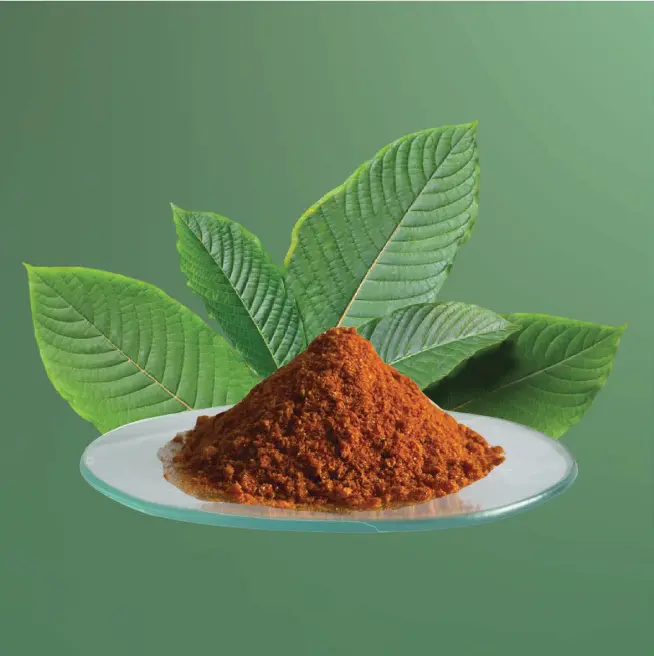
MarkHerb®–MG50
Mitragynine ≥50%
Main Specification
Mitragynine Content : ≥50%
Appearance : Orangish brown; powder
Odor : Characteristic odor
Quantity availability : Bulk
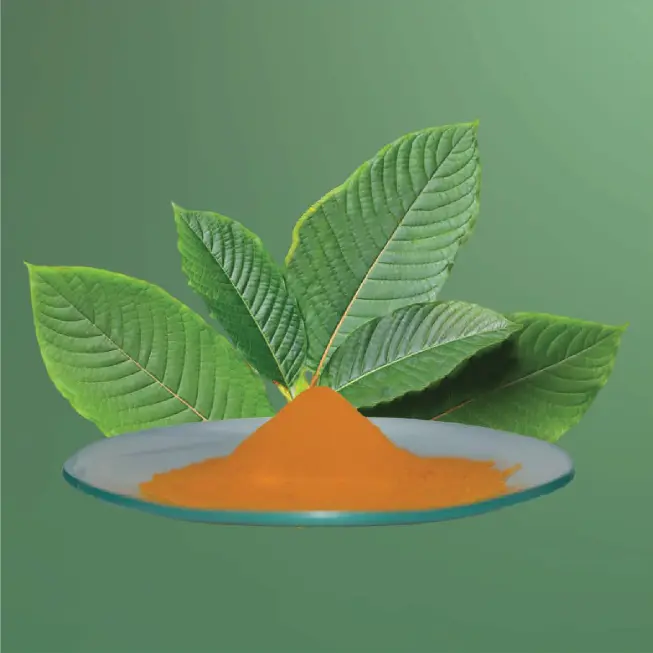
MarkHerb®–MG70
Mitragynine ≥70%
Main Specification
Mitragynine Content : ≥70%
Appearance : Dark orangish yellow; powder
Odor : Characteristic odor
Quantity availability : Bulk
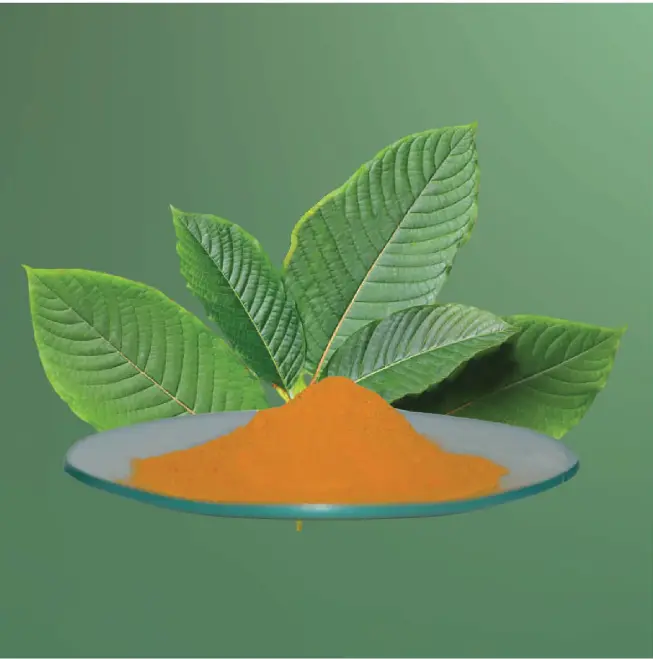
MarkHerb®–MG80
Mitragynine ≥80%
Main Specification
Mitragynine Content : ≥80%
Appearance : Orangish yellow; powder
Odor : Characteristic odor
Quantity availability : Bulk
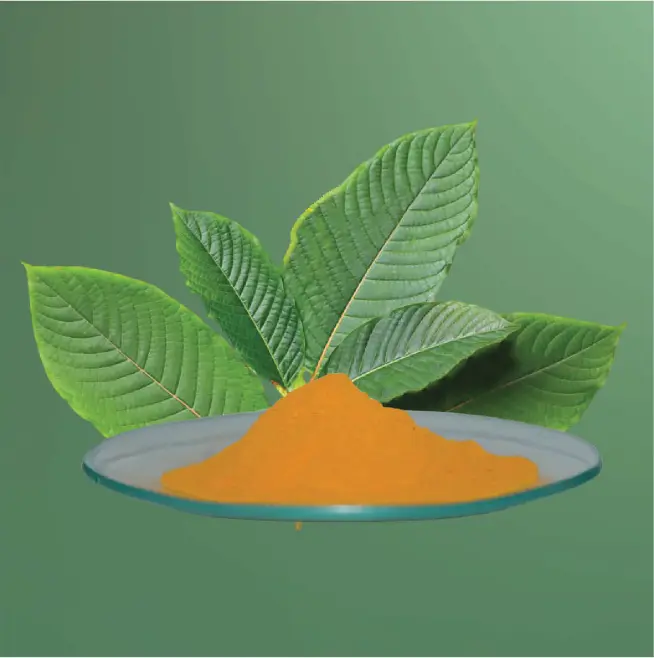
MarkHerb®–MG95
Mitragynine ≥95%
Main Specification
Mitragynine Content : ≥95%
Appearance : Bright orangish yellow; powder
Odor : Characteristic odor
Quantity availability : Bulk
Why choose our products?
- Raw materials are sourced from Kalimantan forests, where Indonesia’s Kratom grows abundantly and sustainably
- Produced using eco-friendly methods implemented with good manufacturing processes, ensuring environmental responsibility and safety
- Analyzed using valid scientific methods and are monitored with strict QC standards
- Focused only on the Mitragynine contents, thus ensuring the products specification regardless of their production batches and source locations
- Accompanied with accurate Certificate of Analysis (CoA) to ensure that your required specifications are met
- Our company retains the required licenses to export Kratom products and its derivatives, making us a legitimate partner for your Kratom businesses
- Garcia-Romeu A, Cox DJ, Smith KE, Dunn KE, Griffiths RR. Kratom (Mitragyna speciosa): User demographics, use patterns, and implications for the opioid epidemic. Drug Alcohol Depend. 2020;208:107849. doi:10.1016/j.drugalcdep.2020.107849 [3]
- Grundmann O. Patterns of Kratom use and health impact in the US-Results from an online survey. Drug Alcohol Depend. 2017;176:63-70. doi:10.1016/j.drugalcdep.2017.03.007
- Smith KE, Rogers JM, Schriefer D, Grundmann O. Therapeutic benefit with caveats?: Analyzing social media data to understand the complexities of kratom use. Drug Alcohol Depend. 2021;226:108879. doi:10.1016/j.drugalcdep.2021.108879 [11]
- Singh D, Narayanan S, Vicknasingam B, et al. The use of kratom (Mitragyna speciosa korth) among people who co-use heroin and methamphetamine in Malaysia. J Addict Med. 2021;10.1097/ADM.0000000000000876. doi:10.1097/ADM.0000000000000876 [12]
- Vicknasingam B, Narayanan S, Beng CT, Mansor SM. The informal use of ketum (Mitragyna speciosa) for opioid withdrawal in the northern states of peninsular Malaysia and implications for drug substitution therapy. Int J Drug Policy. 2010;21(4):283-288. doi:10.1016/j.drugpo.2009.12.003 [13]
- Saref A, Suraya S, Singh D, et al. Self-Report Data on regular consumption of illicit drugs and HIV risk behaviors after kratom (Mitragyna Speciosa korth) initiation among illicit drug users in Malaysia. J Psychoactive Drugs. 2020;52(2):138-144. doi:10.1080/02791072.2019.1686553 [14]
- Smith KE, Lawson T. Prevalence and motivations for kratom use in a sample of substance users enrolled in a residential treatment program. Drug Alcohol Depend. 2017;180:340-348. doi:10.1016/j.drugalcdep.2017.08.034 [15]
- Boyer EW, Babu KM, Macalino GE. Self-treatment of opioid withdrawal with a dietary supplement, kratom. Am J Addict. 2007;16(5):352-356. doi:10.1080/10550490701525368
- United Nations, Commission on Narcotic Drugs. Summary of assessments, findings and recommendations of the 44th World Health Organization’s (WHO) Expert Committee on Drug Dependence (ECDD), 11–15 October 2021. Vienna; 9–10 December 2021. Report No. E/CN.7/2021/CRP.12
- Kruegel AC, Gassaway MM, Kapoor A, et al. Synthetic and receptor signaling explorations of the mitragyna alkaloids: Mitragynine as an atypical molecular framework for opioid receptor modulators. J Am Chem Soc. 2016;138(21):6754-6764. doi:10.1021/jacs.6b00360
- Meireles et al. (2019, Mei 31). Mitragyna Speciosa: Clinical, Toxicological Aspects and Analysis in Biological and Non-Biological Samples. Journal National Library of Medicine, Vol. 6 No. 1.
- Váradi A, Marrone GF, Palmer TC, et al. Mitragynine/corynantheidine pseudoindoxyls as opioid analgesics with mu agonism and delta antagonism, which do not recruit β-arrestin-2. J Med Chem. 2016;59(18):8381-8397. doi:10.1021/acs.jmedchem.6b00748
- Matsumoto K, Mizowaki M, Suchitra T, Murakami Y, Takayama H, Sakai S, et al. Central antinociceptive effects of mitragynine in mice: contribution of descending noradrenergic and serotonergic systems. Eur J Pharmacol. 1996;317(1):75–81. [30]
- Hanapi NA, Chear NJ, Azizi J, Yusof SR. Kratom alkaloids: Interactions with enzymes, receptors, and cellular barriers. Front Pharmacol. 2021;12:751656. Published 2021 Nov 17. doi:10.3389/fphar.2021.751656
- Cinosi E, Martinotti G, Simonato P, et al. Following "the roots" of kratom (Mitragyna speciosa): The evolution of an enhancer from a traditional use to increase work and productivity in southeast Asia to a recreational
- Garcia-Romeu A, Cox DJ, Smith KE, Dunn KE, Griffiths RR. Kratom (Mitragyna speciosa): User demographics, use patterns, and implications for the opioid epidemic. Drug Alcohol Depend. 2020;208:107849. doi:10.1016/j.drugalcdep.2020.107849
- Grundmann O, Brown PN, Henningfield J, Swogger M, Walsh Z. The therapeutic potential of kratom. Addiction. 2018;113(10):1951-1953. doi:10.1111/add.14371
- United Nations, Expert Committee on Drug Dependence. Pre-review report: Kratom (Mitragyna speciosa), mitragynine, and 7-hydroxymitragynine. 11-15 October 2021. Geneva.