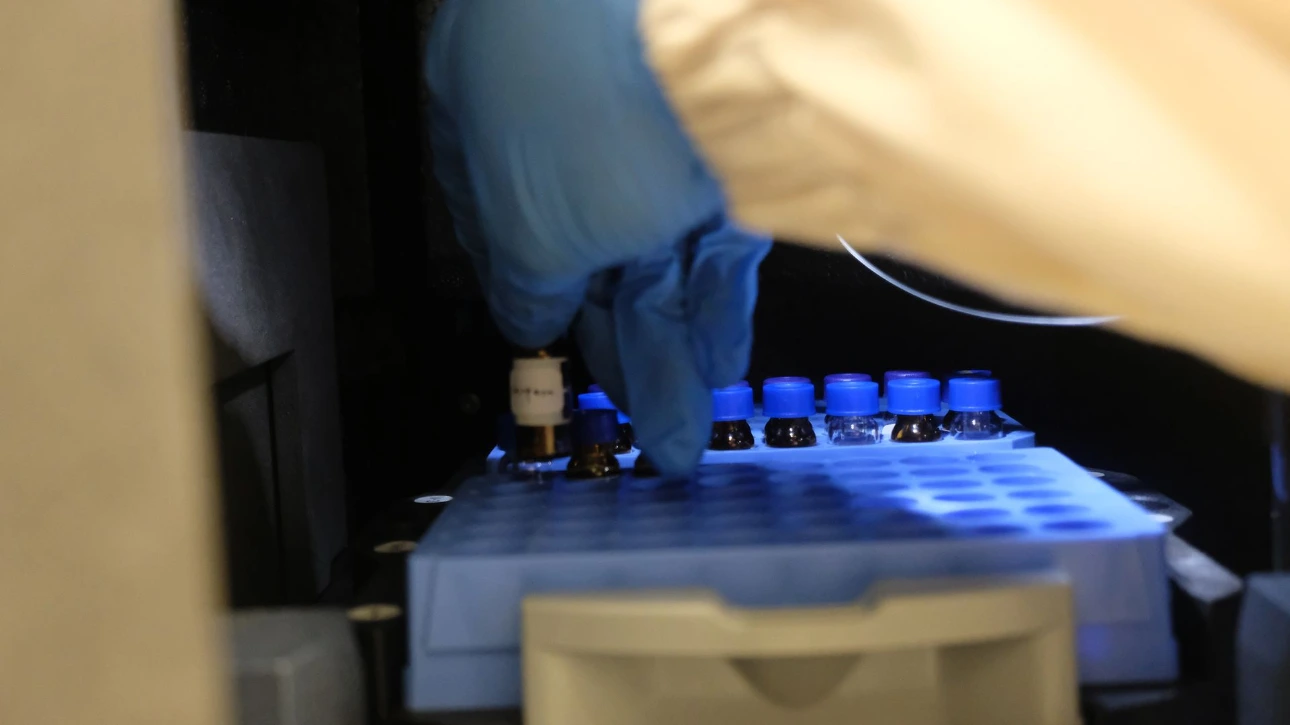
Why Choose
MarkHerb Laboratory?
Uncompromising Standards for Highly Precise Analytical Results
Every decision we make, from raw material selection to customer support, is rooted in our foundational core values, guaranteeing trust, integrity, and long-term value for our partners.
Why Choose
MarkHerb Laboratory?
Uncompromising Standards for Highly Precise Analytical Results
Every decision we make, from raw material selection to customer support, is rooted in our foundational core values, guaranteeing trust, integrity, and long-term value for our partners.
Our Comprehensive Testing Services
We offer a full spectrum of physical, chemical, and microbiological parameters to ensure the safety, purity, and efficacy of your natural materials.
Category A:
Active Compound Identification & Quantification
Confirm the identity, purity, and exact concentrations of primary bioactives and chemical markers in your raw materials or finished formulations.
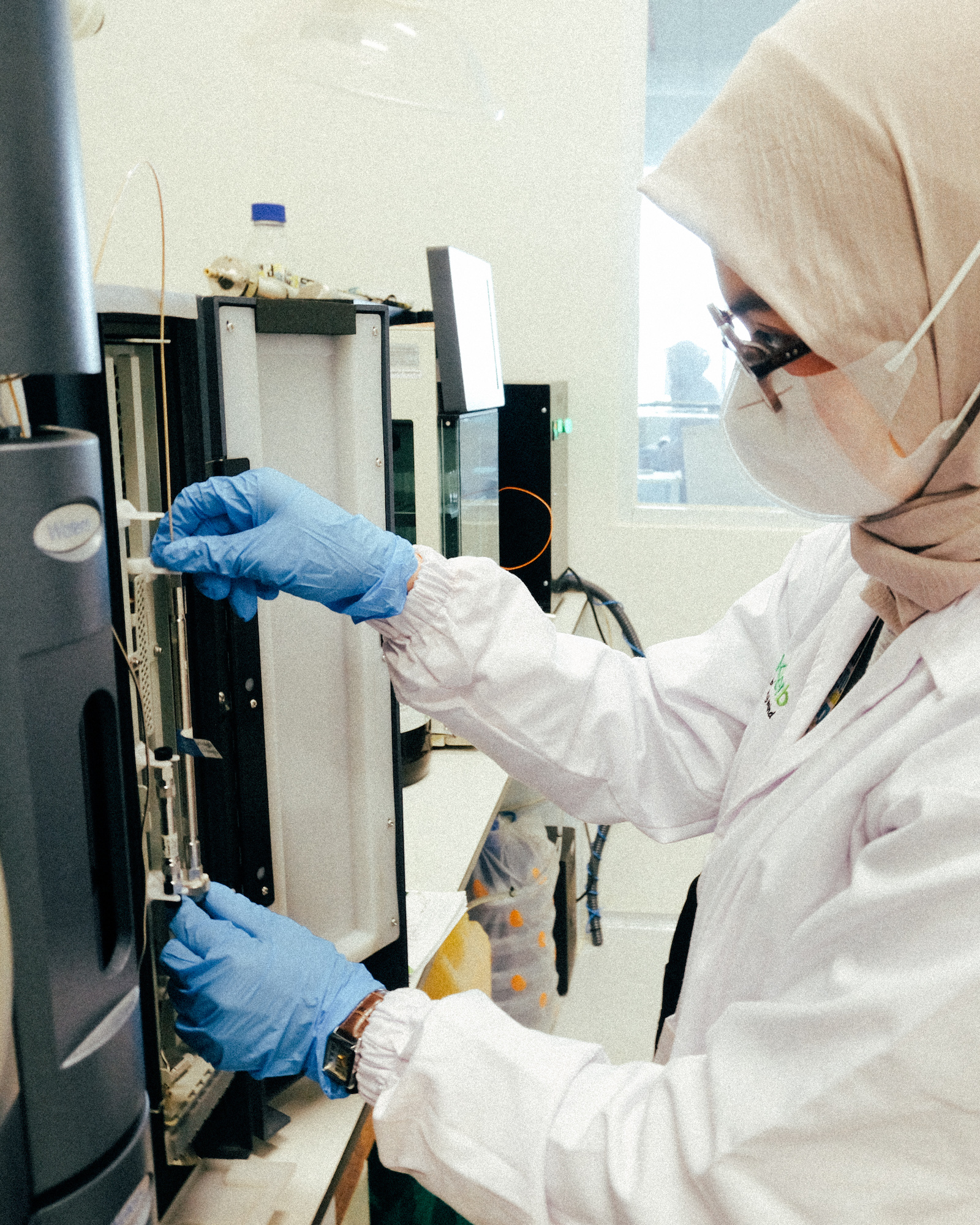
High-Performance Liquid Chromatography (HPLC) Analysis
High-Performance Liquid Chromatography (HPLC) serves as the primary analytical standard for separating, identifying, and accurately quantifying active marker compounds across complex botanical matrices and natural extract formulations. By delivering high resolution and sensitive compound detection, HPLC analysis enables manufacturers to standardize raw material batches, verify therapeutic potency, satisfy pharmacopeial requirements, and provide quantifiable proof of active ingredient concentration for regulatory dossiers and market claims.
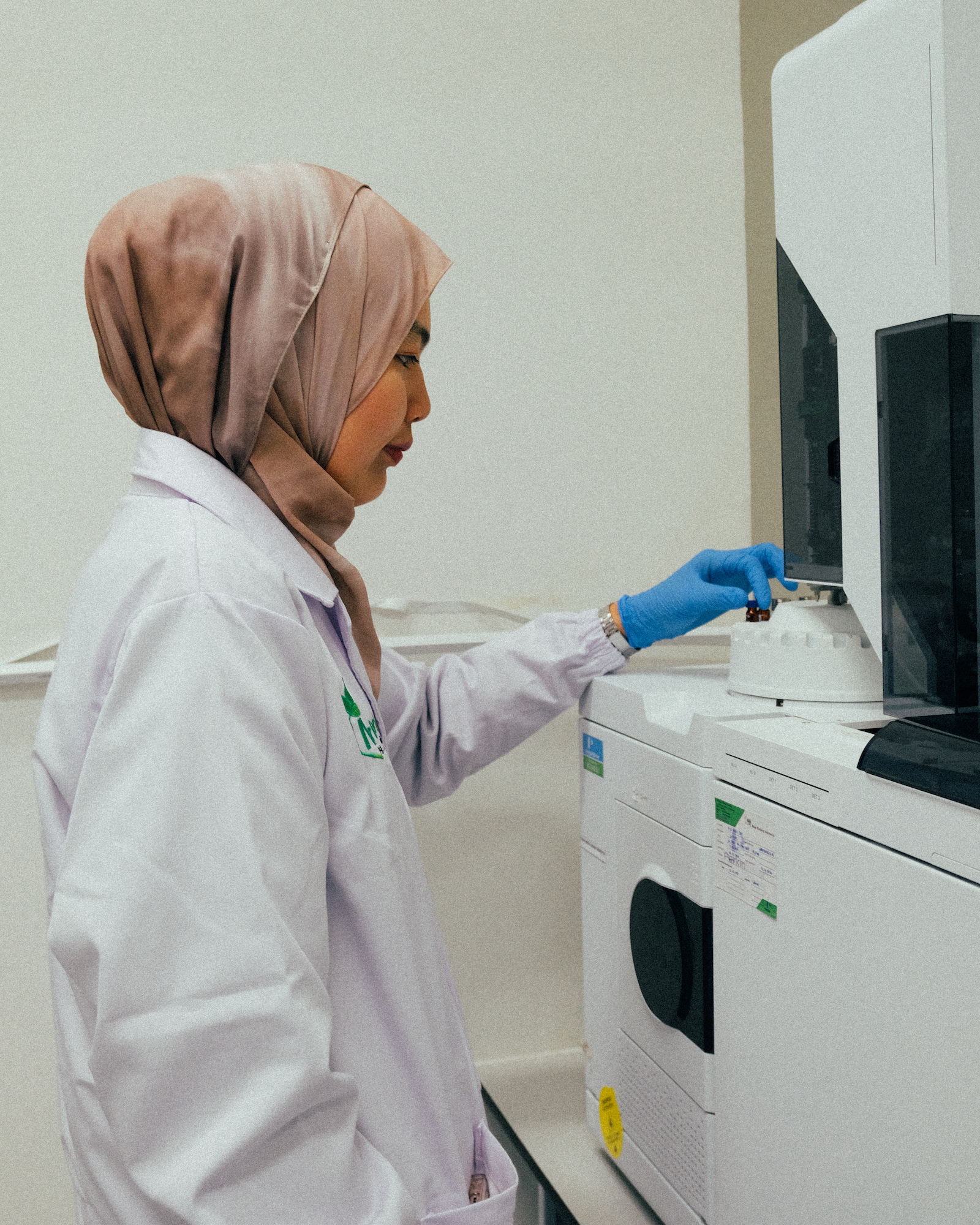
Gas Chromatography-Mass Spectrometry (GC-MS) Analysis
Gas Chromatography-Mass Spectrometry (GC-MS) combines physical volatile separation with precise structural mass identification, making it the definitive analytical technique for essential oils, terpene profiles, and volatile organic extracts. This parameter provides a complete chemical fingerprint of your aromatic raw materials, allowing R&D teams to verify botanical authenticity, detect subtle adulteration with synthetic additives, and accurately quantify key fragrant and bioactive constituents.
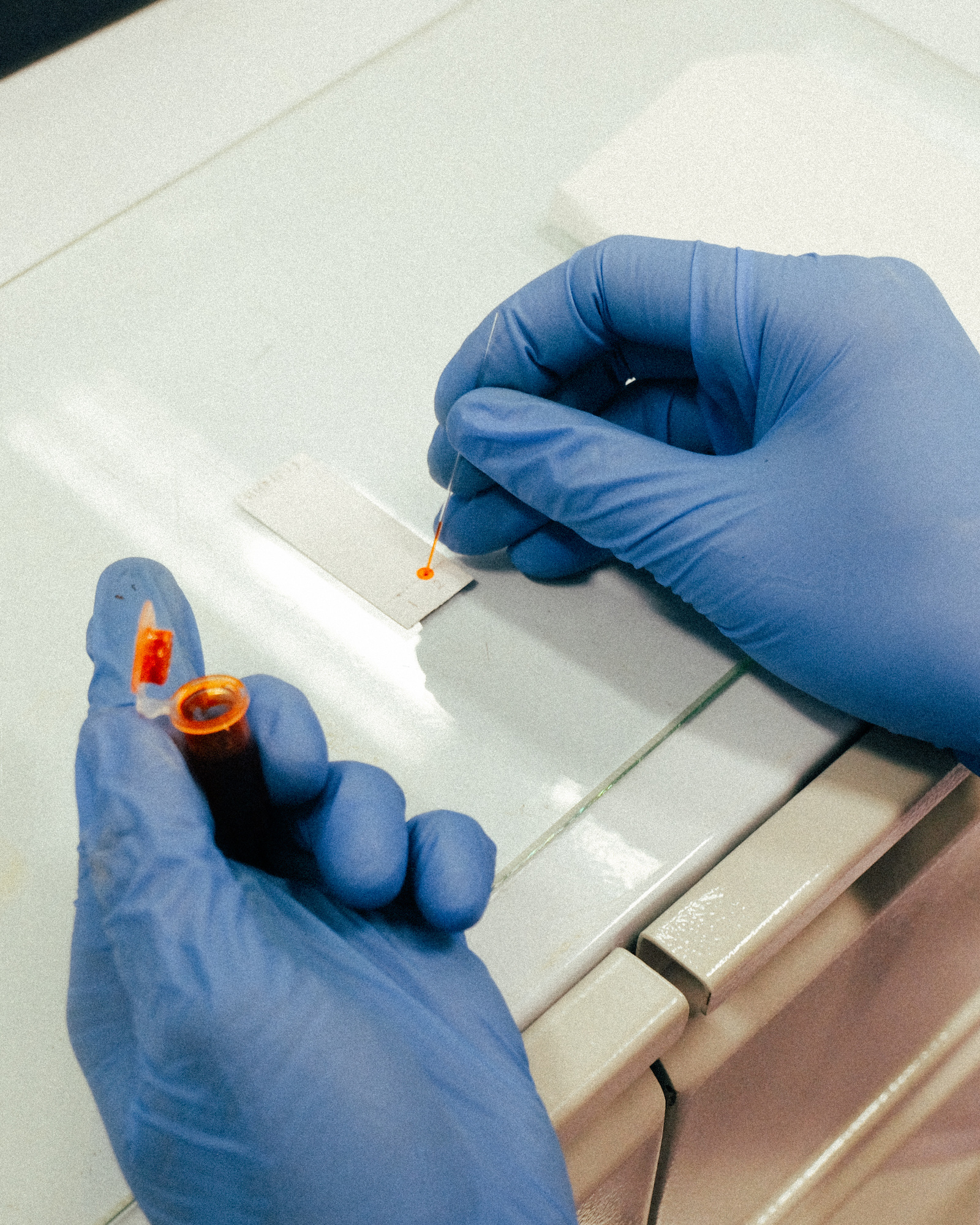
Thin-Layer Chromatography (TLC) Fingerprinting
Thin-Layer Chromatography (TLC) offers a reliable, rapid, and visually informative chromatographic fingerprinting method for evaluating botanical raw material authenticity and species identity. Serving as an essential qualitative screening step prior to quantitative testing, HPTLC allows researchers and quality control units to rapidly verify batch-to-batch consistency, screen for species substitution, and identify major phytochemical classes across multiple samples simultaneously.

Spectrophotometric Total Phytochemical Assays (Phenolics, Flavonoids, Alkaloids, Saponins)
Total Phytochemical Assays measure the aggregate concentration of key secondary metabolite families—such as phenolics, flavonoids, alkaloids, and saponins—using standardized UV-Vis spectrophotometric methods. This parameter establishes the baseline phytochemical profile of your botanical extracts, offering essential comparative metrics for raw material grading, extraction optimization, and backing bioactivity claims in functional health supplements and natural cosmetics.
High-Performance Liquid Chromatography (HPLC) Analysis
High-Performance Liquid Chromatography (HPLC) serves as the primary analytical standard for separating, identifying, and accurately quantifying active marker compounds across complex botanical matrices and natural extract formulations. By delivering high resolution and sensitive compound detection, HPLC analysis enables manufacturers to standardize raw material batches, verify therapeutic potency, satisfy pharmacopeial requirements, and provide quantifiable proof of active ingredient concentration for regulatory dossiers and market claims.
Gas Chromatography-Mass Spectrometry (GC-MS) Analysis
Gas Chromatography-Mass Spectrometry (GC-MS) combines physical volatile separation with precise structural mass identification, making it the definitive analytical technique for essential oils, terpene profiles, and volatile organic extracts. This parameter provides a complete chemical fingerprint of your aromatic raw materials, allowing R&D teams to verify botanical authenticity, detect subtle adulteration with synthetic additives, and accurately quantify key fragrant and bioactive constituents.
Thin-Layer Chromatography (TLC) Fingerprinting
Thin-Layer Chromatography (TLC) offers a reliable, rapid, and visually informative chromatographic fingerprinting method for evaluating botanical raw material authenticity and species identity. Serving as an essential qualitative screening step prior to quantitative testing, HPTLC allows researchers and quality control units to rapidly verify batch-to-batch consistency, screen for species substitution, and identify major phytochemical classes across multiple samples simultaneously.
Spectrophotometric Total Phytochemical Assays (Phenolics, Flavonoids, Alkaloids, Saponins)
Total Phytochemical Assays measure the aggregate concentration of key secondary metabolite families—such as phenolics, flavonoids, alkaloids, and saponins—using standardized UV-Vis spectrophotometric methods. This parameter establishes the baseline phytochemical profile of your botanical extracts, offering essential comparative metrics for raw material grading, extraction optimization, and backing bioactivity claims in functional health supplements and natural cosmetics.
Category B:
Biological, Pharmacological & Bioactivity Assays (In Vitro & In Vivo Studies)
Evaluate the biological responses, pharmacological profiles, antioxidant potential, enzymatic inhibition, and preclinical safety of your natural extracts through rigorous bioassays.
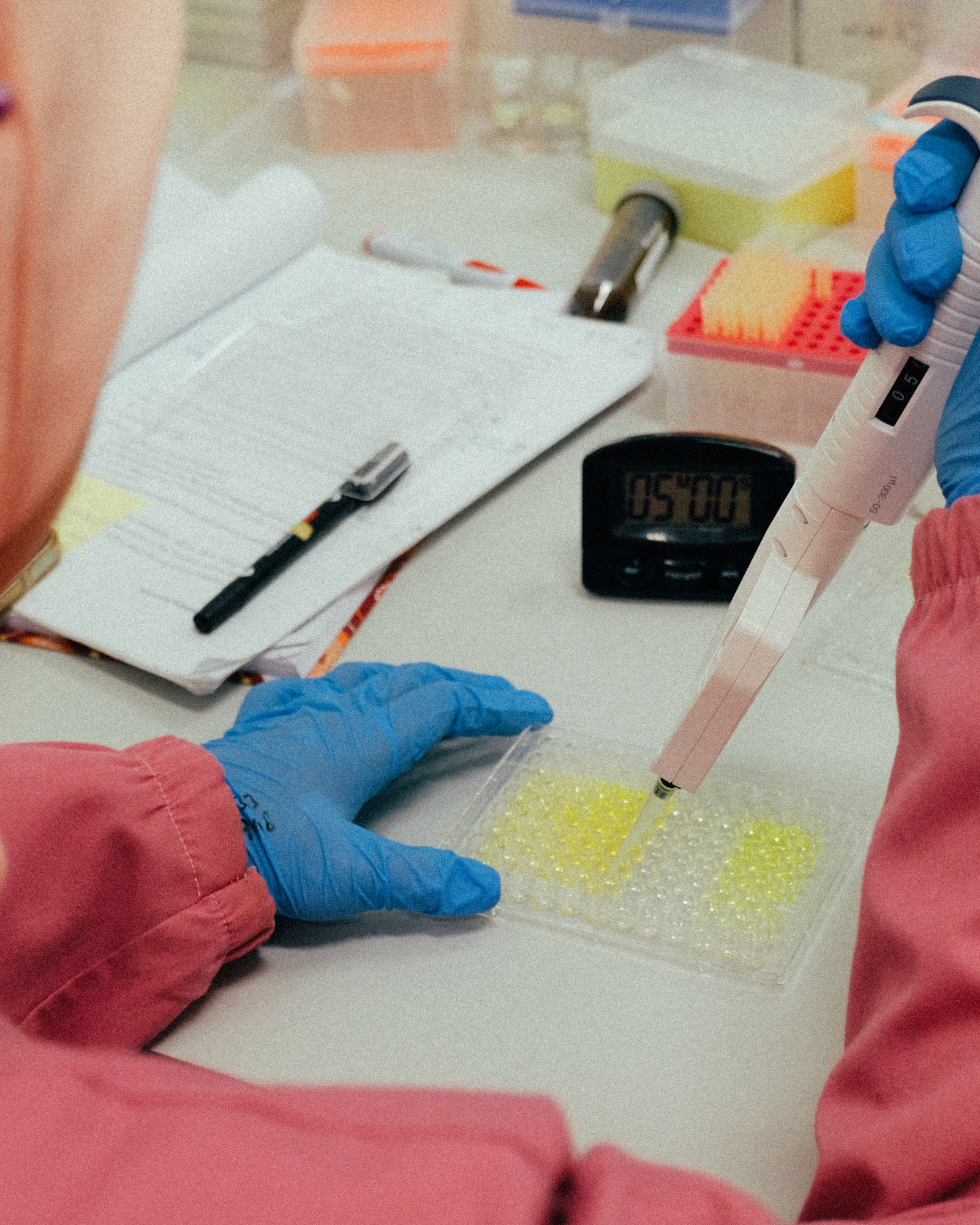
In Vitro Antioxidant & Free Radical Scavenging Assays (DPPH, ABTS, FRAP Methods)
In Vitro Antioxidant Assays assess the pharmacological free-radical scavenging capacity and reducing power of your botanical extracts through validated colorimetric methods including DPPH, ABTS, and FRAP assays. By generating standardized values such as IC50 or trolox equivalents, this testing provides concrete, quantifiable scientific proof of your raw material's protective capacity against oxidative stress, directly supporting pharmacological R&D goals and marketing claims for longevity, skincare, and dietary wellness products.
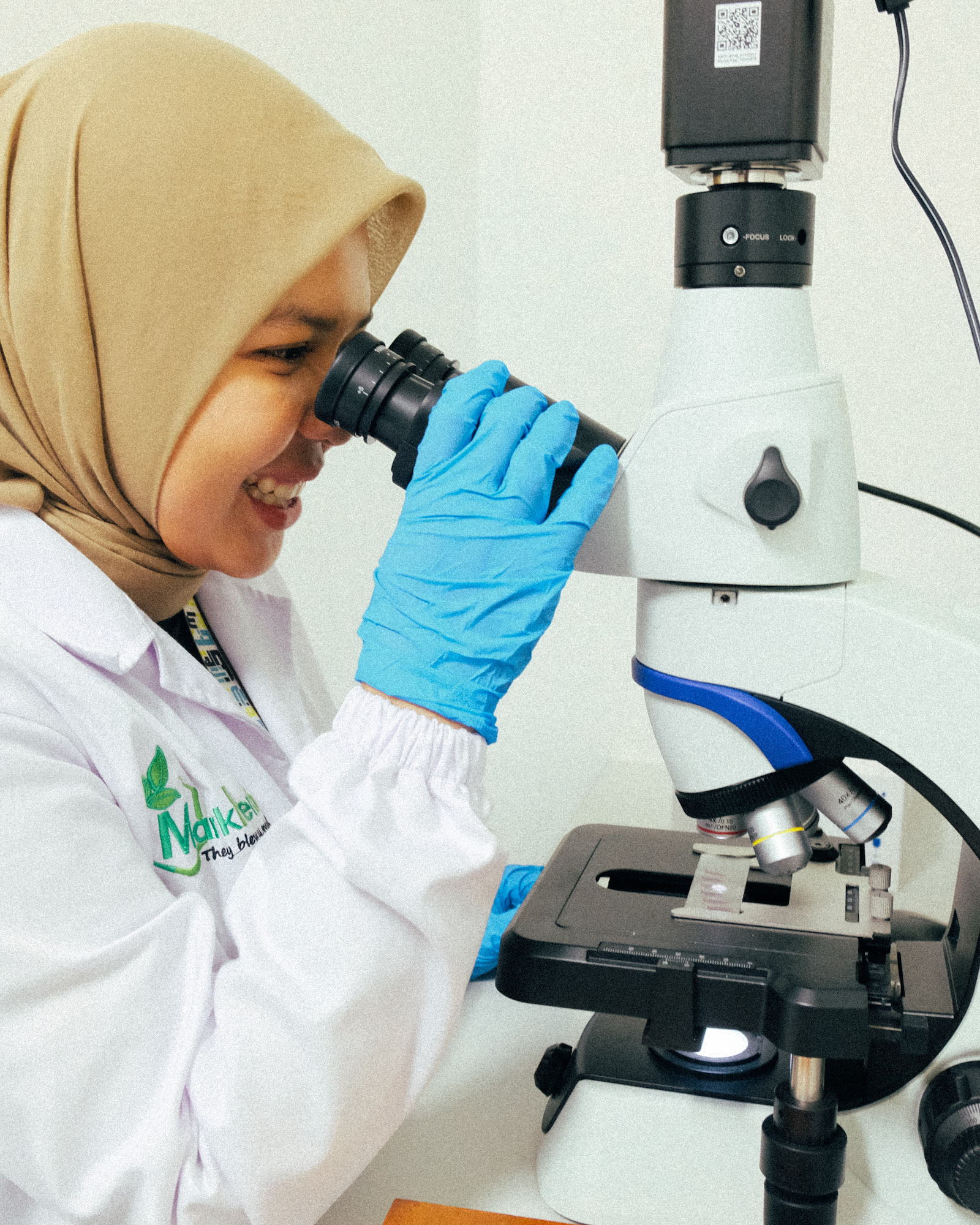
In Vitro Cell Culture & Cytotoxicity Screening
In Vitro Cell Culture Screening utilizes established mammalian cell lines to evaluate cell viability, biocompatibility, and dose-dependent cytotoxicity using MTT or CCK-8 assays. This crucial biological parameter provides essential preliminary pharmacological safety data, determines non-toxic concentration ranges for subsequent bioactivity assays, and offers early-stage validation for cosmetic actives, topical dermatological formulations, and oral health ingredients.
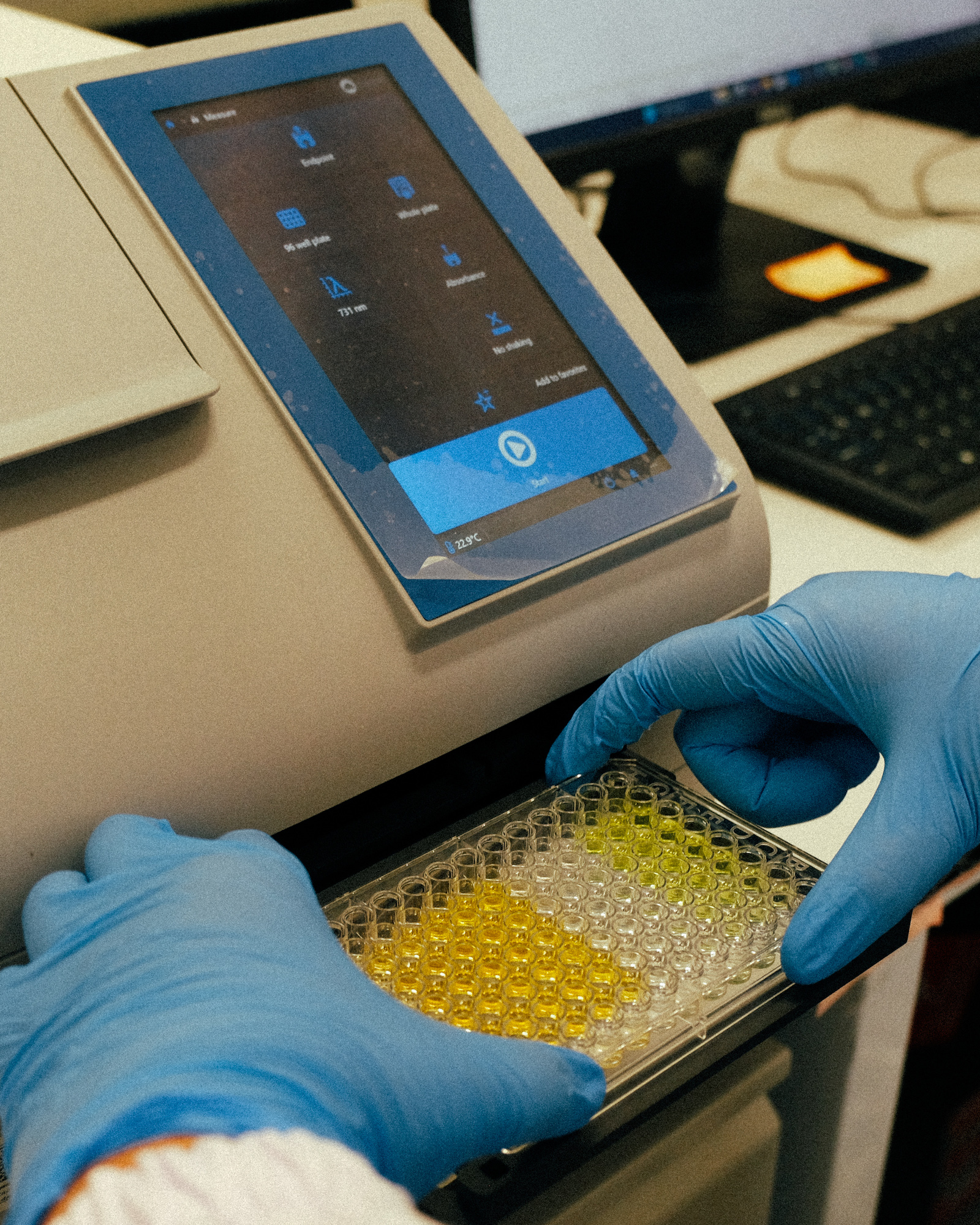
Targeted Enzyme Inhibition Assays (Alpha-Glucosidase, Tyrosinase, Collagenase)
Enzyme Inhibition Assays evaluate the specific capacity of natural compounds to inhibit key enzymes implicated in metabolic health, skin hyperpigmentation, and skin aging, such as alpha-glucosidase, tyrosinase, and matrix metalloproteinases/collagenase. This functional screening parameter helps elucidate the underlying pharmacological mechanisms of action of your bioactives, delivering high-value scientific evidence needed to formulate targeted anti-diabetic supplements, skin-brightening cosmetics, or anti-aging topical therapies.

In Vivo Preclinical Efficacy & Pharmacological Evaluation (Animal Model Studies)
In Vivo Preclinical Evaluation provides advanced biological testing utilizing validated animal models under strict ethical guidelines to assess systemic efficacy, pharmacokinetics, pharmacodynamics, and acute or sub-chronic physiological responses. This comprehensive pharmacological parameter bridges the gap between laboratory bench testing and clinical development, yielding robust scientific data required for high-tier nutraceutical R&D, phytopharmaceutical registration, and patent filings.
In Vitro Antioxidant & Free Radical Scavenging Assays (DPPH, ABTS, FRAP Methods)
In Vitro Antioxidant Assays assess the pharmacological free-radical scavenging capacity and reducing power of your botanical extracts through validated colorimetric methods including DPPH, ABTS, and FRAP assays. By generating standardized values such as IC50 or trolox equivalents, this testing provides concrete, quantifiable scientific proof of your raw material's protective capacity against oxidative stress, directly supporting pharmacological R&D goals and marketing claims for longevity, skincare, and dietary wellness products.
In Vitro Cell Culture & Cytotoxicity Screening
In Vitro Cell Culture Screening utilizes established mammalian cell lines to evaluate cell viability, biocompatibility, and dose-dependent cytotoxicity using MTT or CCK-8 assays. This crucial biological parameter provides essential preliminary pharmacological safety data, determines non-toxic concentration ranges for subsequent bioactivity assays, and offers early-stage validation for cosmetic actives, topical dermatological formulations, and oral health ingredients.
Targeted Enzyme Inhibition Assays (Alpha-Glucosidase, Tyrosinase, Collagenase)
Enzyme Inhibition Assays evaluate the specific capacity of natural compounds to inhibit key enzymes implicated in metabolic health, skin hyperpigmentation, and skin aging, such as alpha-glucosidase, tyrosinase, and matrix metalloproteinases/collagenase. This functional screening parameter helps elucidate the underlying pharmacological mechanisms of action of your bioactives, delivering high-value scientific evidence needed to formulate targeted anti-diabetic supplements, skin-brightening cosmetics, or anti-aging topical therapies.
In Vivo Preclinical Efficacy & Pharmacological Evaluation (Animal Model Studies)
In Vivo Preclinical Evaluation provides advanced biological testing utilizing validated animal models under strict ethical guidelines to assess systemic efficacy, pharmacokinetics, pharmacodynamics, and acute or sub-chronic physiological responses. This comprehensive pharmacological parameter bridges the gap between laboratory bench testing and clinical development, yielding robust scientific data required for high-tier nutraceutical R&D, phytopharmaceutical registration, and patent filings.
Category C:
Safety & Contaminant Testing

Heavy Metals Analysis (Pb, Cd, Hg, As via ICP-OES / AAS)
Heavy Metals Analysis utilizes high-sensitivity Inductively Coupled Plasma Optical Emission Spectrometry (ICP-OES) or Atomic Absorption Spectroscopy (AAS) to detect toxic trace elements, including Lead (Pb), Cadmium (Cd), Mercury (Hg), and Arsenic (As). Because raw plants readily absorb minerals from soil and water, this parameter is mandatory across global regulatory bodies (such as BPOM and US FDA) to guarantee that heavy metal levels remain strictly within non-toxic, permissible limits.
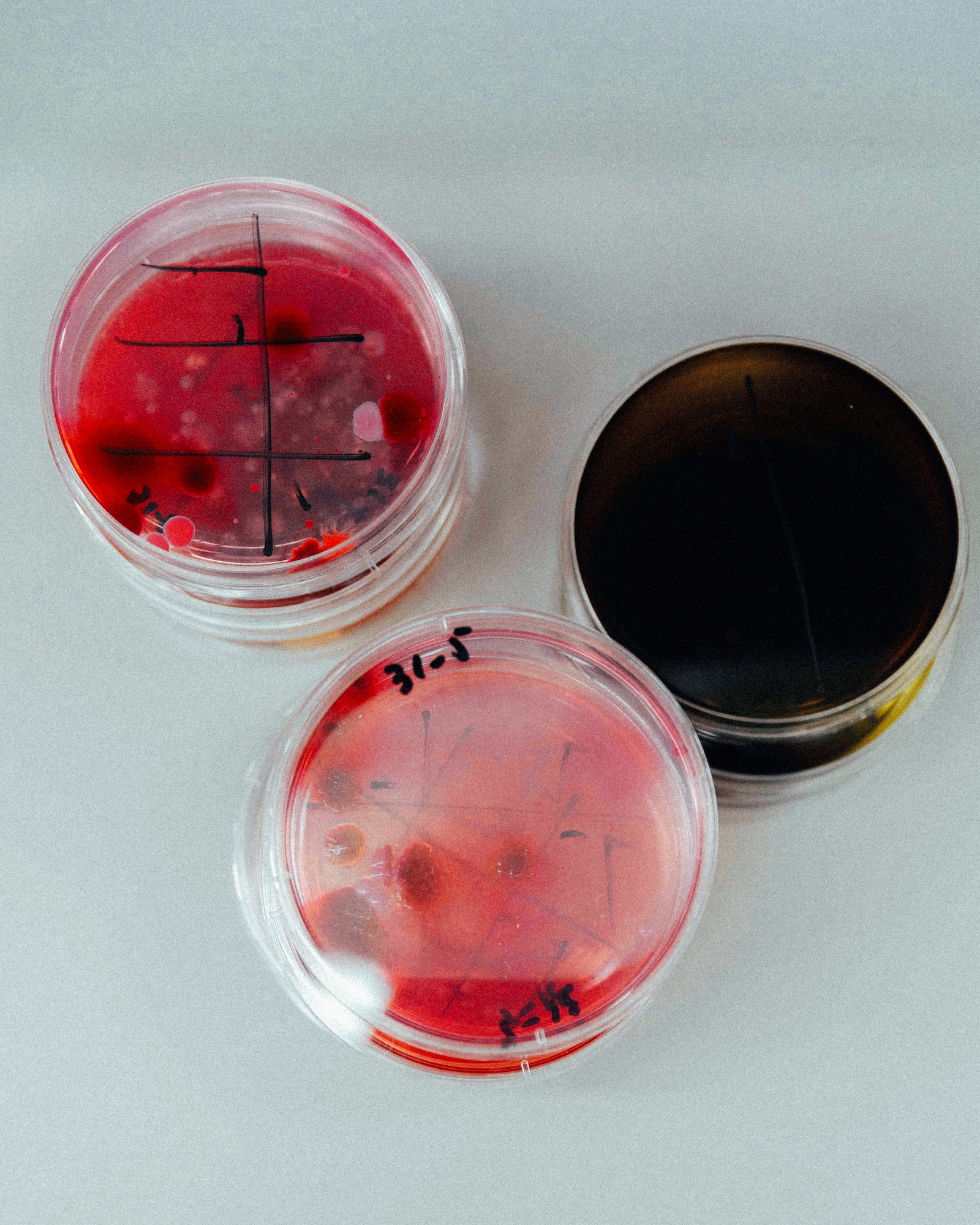
Microbiological Contamination Testing
Microbiological Contamination Testing screens natural samples for Total Plate Count (TPC), Yeast & Mold Count (YMC), and specific high-risk pathogenic microorganisms such as Escherichia coli, Salmonella spp., and Staphylococcus aureus. This essential hygienic quality control parameter confirms that your raw herbs and finished products are processed under sanitary conditions, remain free from harmful spoilage, and comply with safety criteria throughout their commercial shelf life.

Pesticide Residue Screening (GC-MS/MS & LC-MS/MS)
Pesticide Residue Screening detects trace levels of synthetic insecticides, herbicides, and fungicides on agricultural plant materials using advanced tandem mass spectrometry (GC-MS/MS and LC-MS/MS). This parameter is critical for validating organic certifications, protecting consumers from chemical toxicity, and ensuring that harvested botanical biomass complies with strict international agricultural chemical residue thresholds.
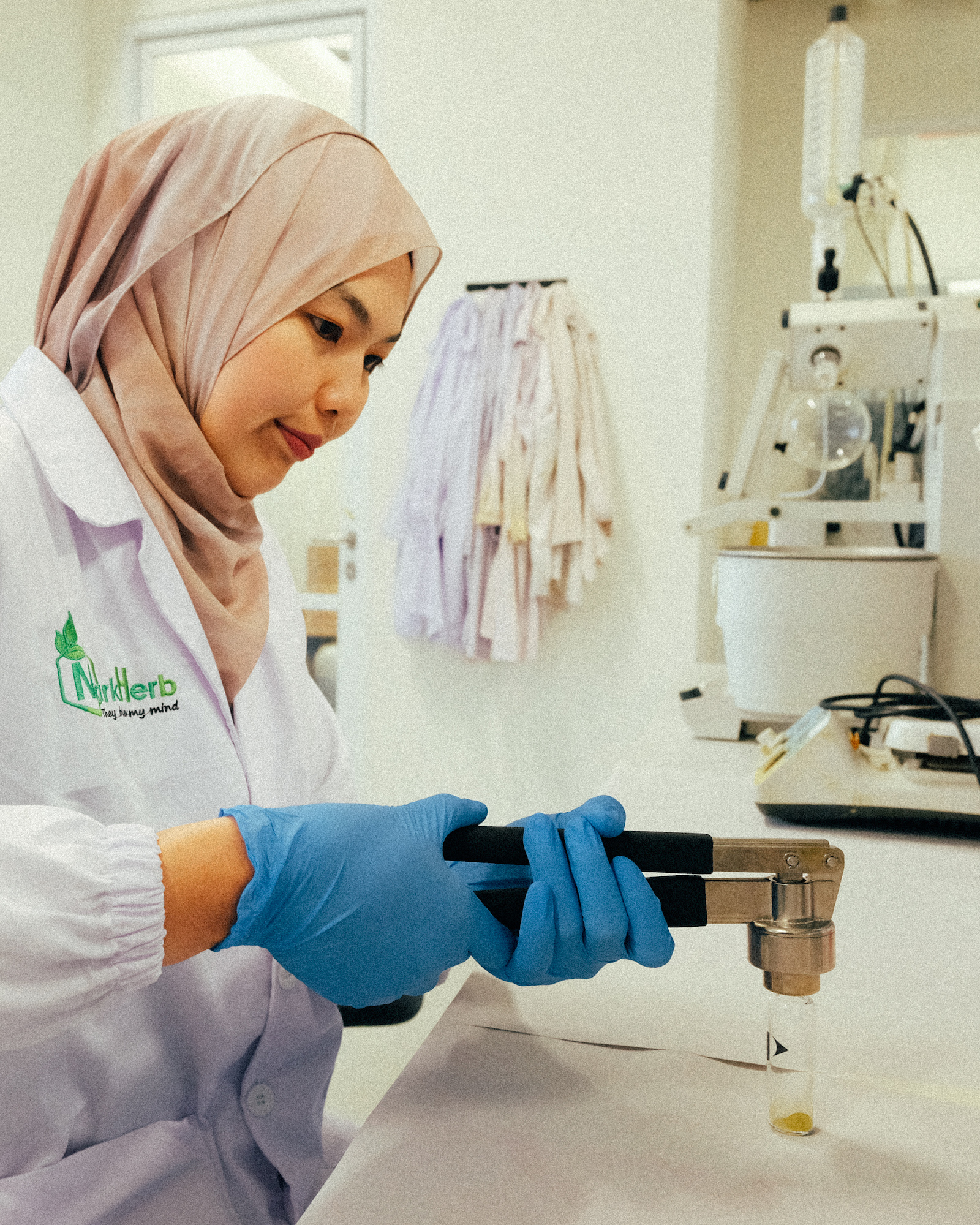
Residual Solvent Analysis (HS-GC-FID)
Residual Solvent Analysis identifies and quantifies organic volatile solvents remaining in botanical extracts following industrial extraction and concentration processes using Headspace Gas Chromatography (HS-GC-FID). This safety parameter ensures that Class 1, Class 2, or Class 3 processing solvents (such as hexane, ethanol, methanol, or ethyl acetate) are reduced to safe, pharmacopeial-compliant concentrations in final products.
Heavy Metals Analysis (Pb, Cd, Hg, As via ICP-OES / AAS)
Heavy Metals Analysis utilizes high-sensitivity Inductively Coupled Plasma Optical Emission Spectrometry (ICP-OES) or Atomic Absorption Spectroscopy (AAS) to detect toxic trace elements, including Lead (Pb), Cadmium (Cd), Mercury (Hg), and Arsenic (As). Because raw plants readily absorb minerals from soil and water, this parameter is mandatory across global regulatory bodies (such as BPOM and US FDA) to guarantee that heavy metal levels remain strictly within non-toxic, permissible limits.
Microbiological Contamination Testing
Microbiological Contamination Testing screens natural samples for Total Plate Count (TPC), Yeast & Mold Count (YMC), and specific high-risk pathogenic microorganisms such as Escherichia coli, Salmonella spp., and Staphylococcus aureus. This essential hygienic quality control parameter confirms that your raw herbs and finished products are processed under sanitary conditions, remain free from harmful spoilage, and comply with safety criteria throughout their commercial shelf life.
Pesticide Residue Screening (GC-MS/MS & LC-MS/MS)
Pesticide Residue Screening detects trace levels of synthetic insecticides, herbicides, and fungicides on agricultural plant materials using advanced tandem mass spectrometry (GC-MS/MS and LC-MS/MS). This parameter is critical for validating organic certifications, protecting consumers from chemical toxicity, and ensuring that harvested botanical biomass complies with strict international agricultural chemical residue thresholds.
Residual Solvent Analysis (HS-GC-FID)
Residual Solvent Analysis identifies and quantifies organic volatile solvents remaining in botanical extracts following industrial extraction and concentration processes using Headspace Gas Chromatography (HS-GC-FID). This safety parameter ensures that Class 1, Class 2, or Class 3 processing solvents (such as hexane, ethanol, methanol, or ethyl acetate) are reduced to safe, pharmacopeial-compliant concentrations in final products.
Category D:
Standard Physico-Chemical Analysis
Testing physical characteristics and foundational quality parameters for standardization of herbal extracts and essential oils.
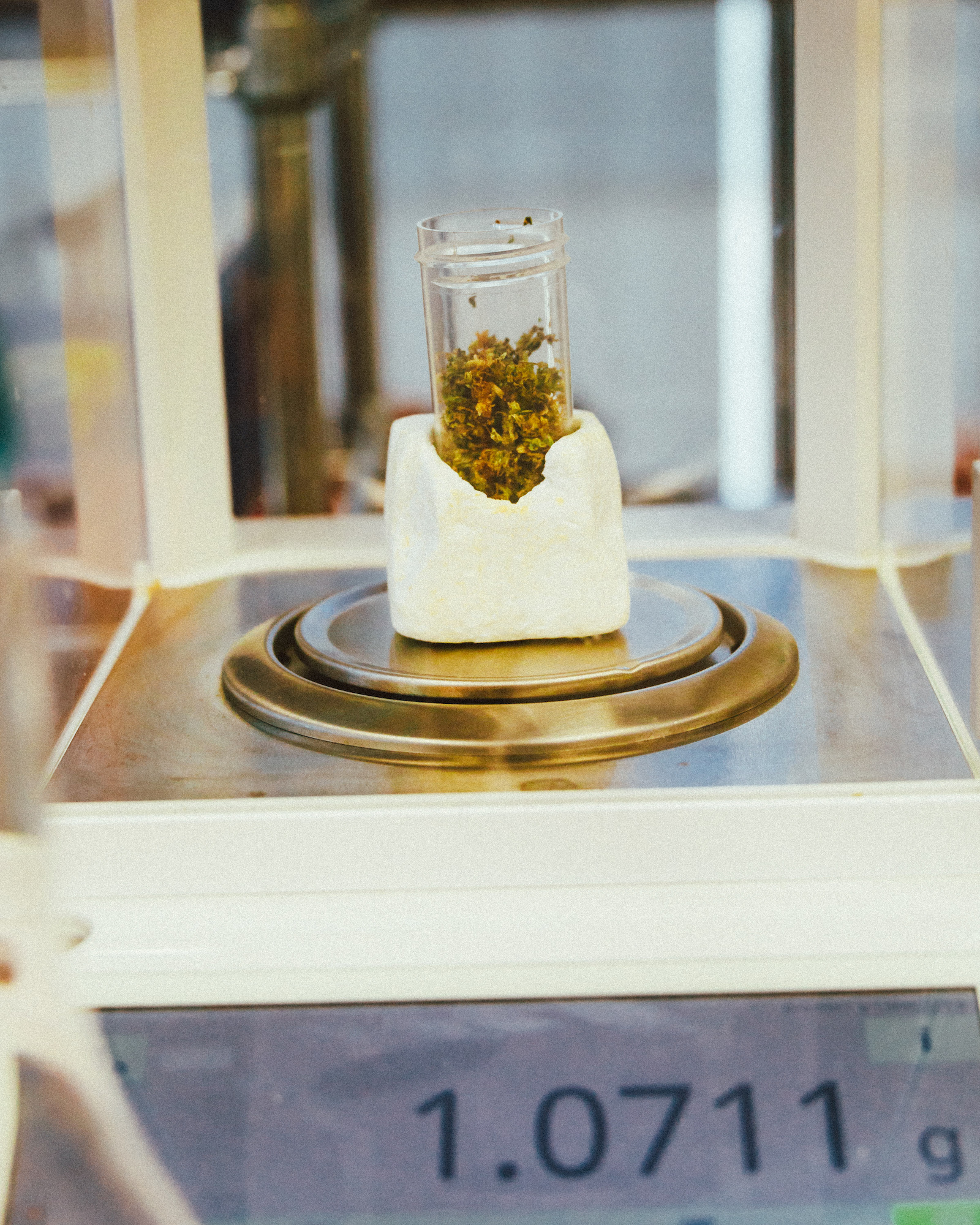
Moisture Content & Loss on Drying (LOD / Karl Fischer Titration)
Moisture Content Analysis determines the level of water and volatile matter in dry powders, raw herbs, and thick extracts using Loss on Drying or Karl Fischer titration. Controlling moisture is vital for inhibiting microbial growth, preventing active compound hydrolysis or enzymatic breakdown, preventing clumping, and establishing accurate shelf-life stability parameters for dry botanical products.

Total Ash & Acid-Insoluble Ash Content
Total Ash and Acid-Insoluble Ash determinations quantify the total inorganic mineral residue left after high-temperature incineration and isolate non-physiological siliceous matter such as sand, soil, and silica. This fundamental purity test serves as a pharmacopeial standard for verifying that raw harvested plant material has been thoroughly cleaned and is free from extraneous environmental contamination.
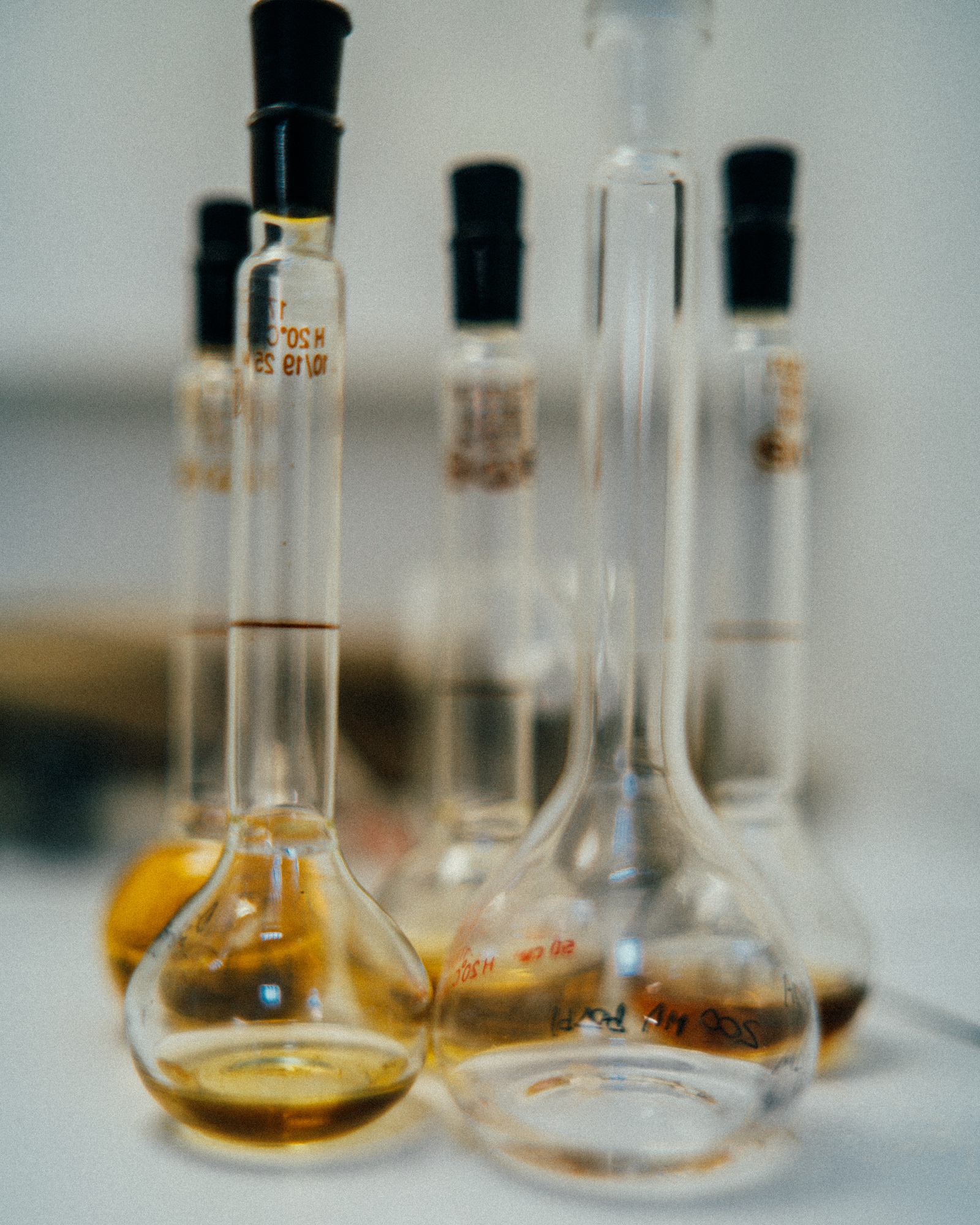
Specific Gravity & Refractive Index Determination
Specific Gravity and Refractive Index testing evaluate physical fluid density and light-refraction characteristics in liquid extracts, botanical oils, and essential oils against established reference values. These rapid physical parameters provide immediate verification of liquid identity, purity, and concentration, enabling QA teams to detect dilution, process variations, or intentional adulteration with cheaper carrier oils.
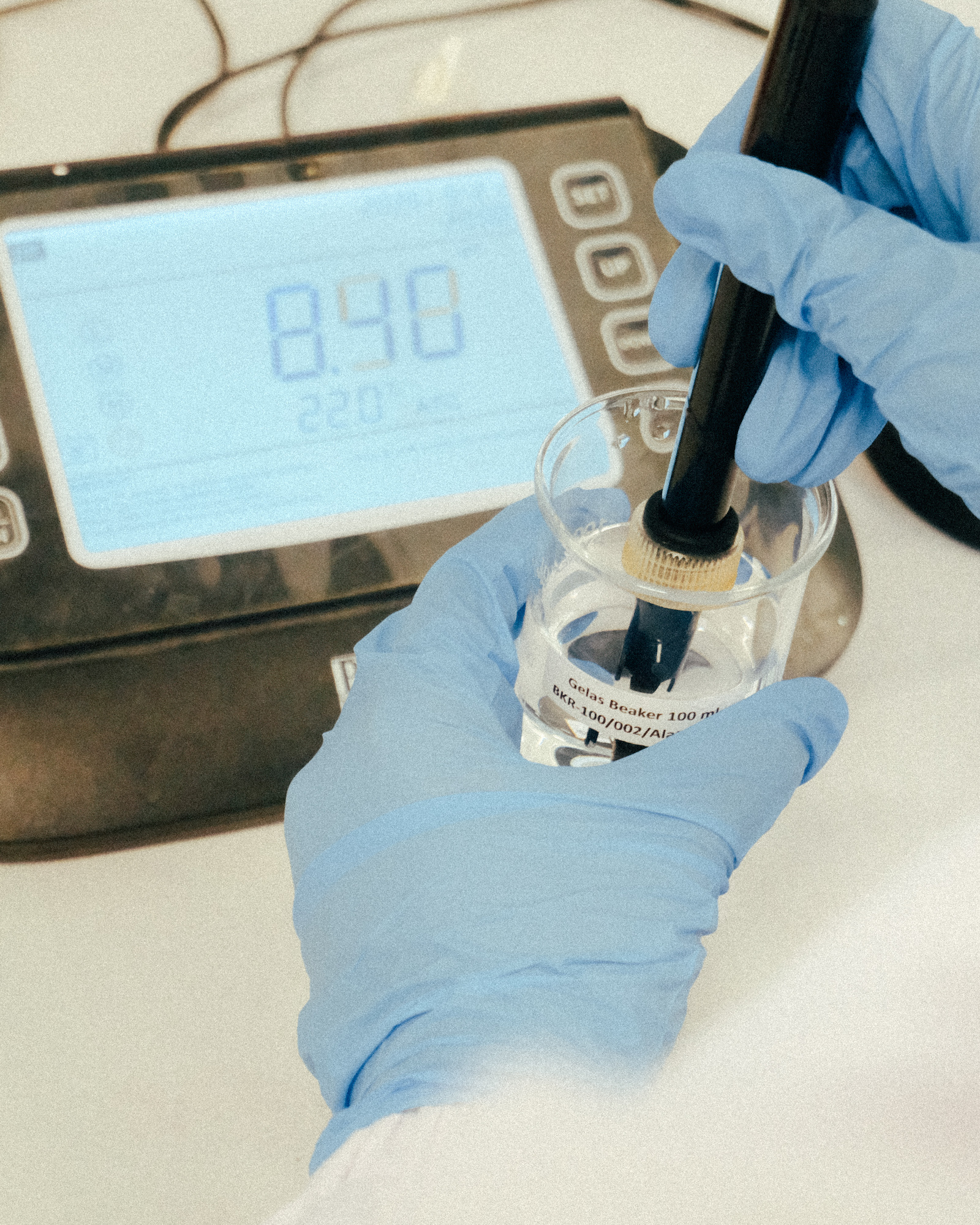
pH Level Measurement & Acid Value / Peroxide Value Determination
pH Level, Acid Value, and Peroxide Value measurements evaluate the acidity, free fatty acid concentration, and primary oxidation status of plant oils and liquid extracts using calibrated pH meters and wet chemical titrations. Monitoring these chemical indicators ensures formula chemical stability, verifies preservative efficacy, prevents rancidity, and ensures skin or gastrointestinal tolerance for topical and oral end products.
Moisture Content & Loss on Drying (LOD / Karl Fischer Titration)
Moisture Content Analysis determines the level of water and volatile matter in dry powders, raw herbs, and thick extracts using Loss on Drying or Karl Fischer titration. Controlling moisture is vital for inhibiting microbial growth, preventing active compound hydrolysis or enzymatic breakdown, preventing clumping, and establishing accurate shelf-life stability parameters for dry botanical products.
Total Ash & Acid-Insoluble Ash Content
Total Ash and Acid-Insoluble Ash determinations quantify the total inorganic mineral residue left after high-temperature incineration and isolate non-physiological siliceous matter such as sand, soil, and silica. This fundamental purity test serves as a pharmacopeial standard for verifying that raw harvested plant material has been thoroughly cleaned and is free from extraneous environmental contamination.
Specific Gravity & Refractive Index Determination
Specific Gravity and Refractive Index testing evaluate physical fluid density and light-refraction characteristics in liquid extracts, botanical oils, and essential oils against established reference values. These rapid physical parameters provide immediate verification of liquid identity, purity, and concentration, enabling QA teams to detect dilution, process variations, or intentional adulteration with cheaper carrier oils.
pH Level Measurement & Acid Value / Peroxide Value Determination
pH Level, Acid Value, and Peroxide Value measurements evaluate the acidity, free fatty acid concentration, and primary oxidation status of plant oils and liquid extracts using calibrated pH meters and wet chemical titrations. Monitoring these chemical indicators ensures formula chemical stability, verifies preservative efficacy, prevents rancidity, and ensures skin or gastrointestinal tolerance for topical and oral end products.
How it Works